ART

Astrodynamics Research Team

Department of Astronomy and Space Science

Space mission realization for lunar, planetary, asteroid, and deep-space exploration.

A great discovery solves a great problem, but there is a grain of discovery in the solution of any problem. Your problem may be modest, but if it challenges your curiosity and brings into play your friends, and if you solve it together, you may experience the tension and enjoy the triumph of discovery.”

Mission analysis and spacecraft trajectory visualization.

Student Recruitment

Research Fields

  1. Astrodynamics and multi-body trajectory design for Earth-Moon, Sun-Earth, and planetary mission concepts.
  2. Trajectory optimization, optimal control, resonance orbit design, and mission architecture development.

ART welcomes motivated students interested in astrodynamics, optimization, orbital mechanics, planetary defense, and space mission design.

Students who want to build the future of South Korea's space exploration missions through theory, computation, and practical mission analysis are encouraged to contact the lab.

Core Research Areas

Astrodynamics

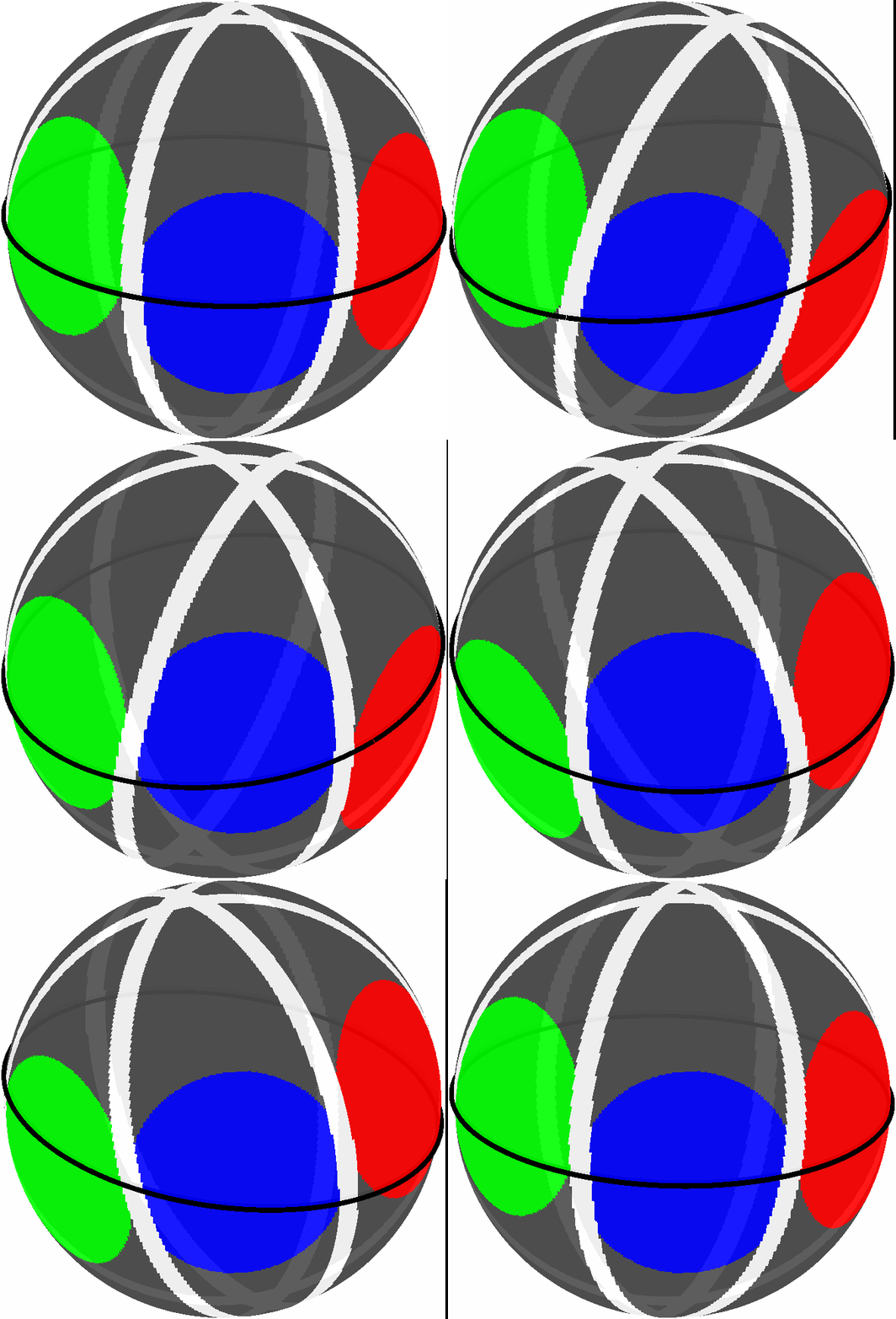
Trajectory design that exploits the natural architecture of space. Research areas include manifold dynamics, multi-body environments in the Earth-Moon and Sun-Earth systems, Lagrange-point pathways, ballistic lunar transfers, and resonance orbit structures that reveal mission opportunities beyond conventional two-body design.

Optimal Control

Optimization strategies that transform complex mission concepts into executable flight trajectories. Research topics span low-thrust and impulsive maneuver design, gravity-assist sequencing, homotopy-based optimization, resonance-transition design, and control-surface analysis for deep-space, lunar, and heliophysics missions.

Missions

End-to-end mission architectures that connect theory, computation, and operations. Mission concepts include asteroid reconnaissance and kinetic impact, long-term magnetosphere science orbits, heliophysics missions from Lagrange regions, lunar transfer systems, and practical spacecraft operations strategies for future exploration.

Lab Members

Portrait of 김민석.

Undergraduate Student

김민석

B.S. Department of Astronomy and Space Science

Undergraduate Student

황우성

B.S. Department of Astronomy and Space Science

News

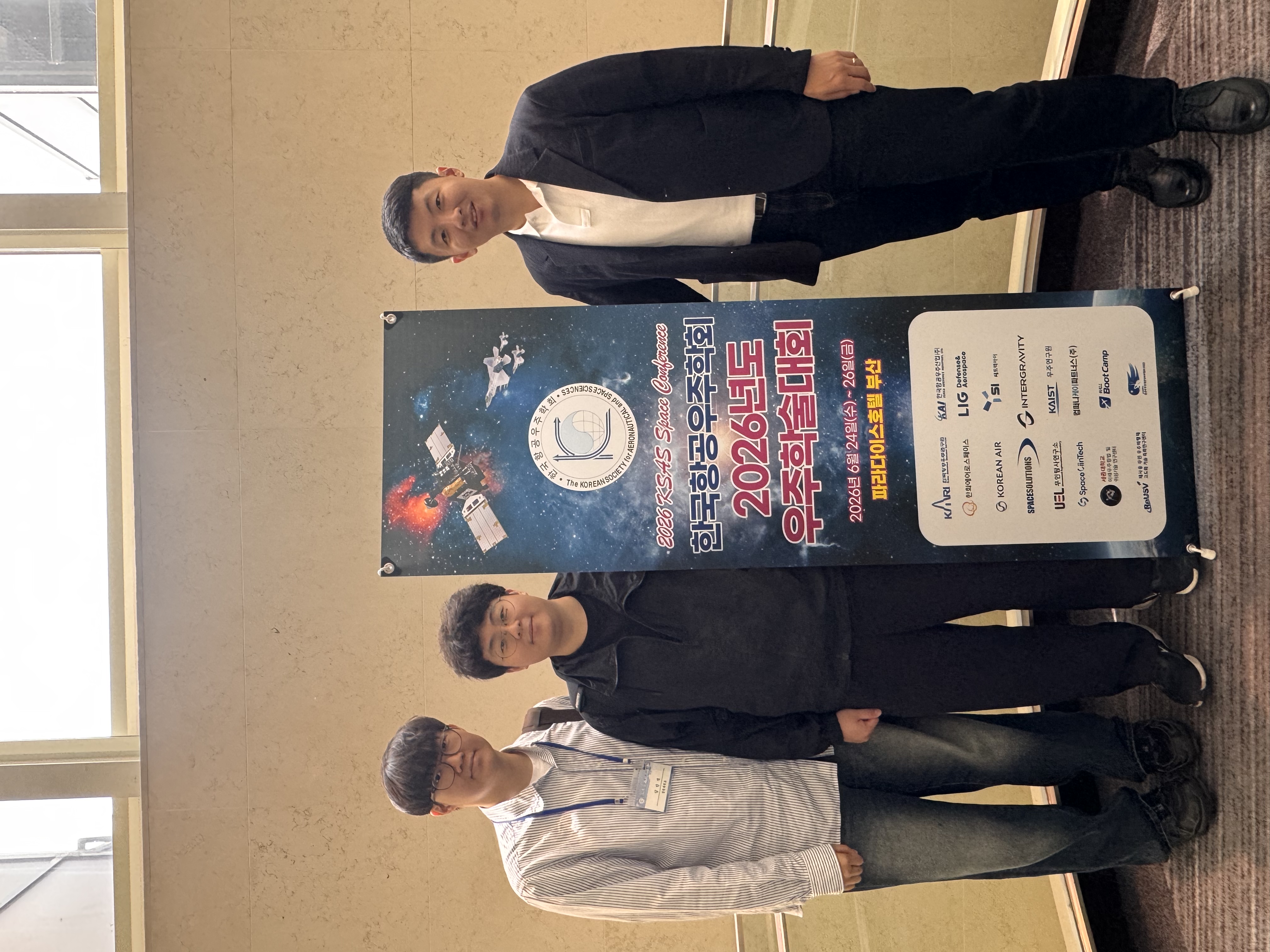
ART lab members at the 2026 KSAS Space Conference.
2026 KSAS Space Conference

Selected Work

Manuscript in Preparation

Pairwise Visibility Analysis for Venus Cloud-Stereo Missions

Jinsung Lee, Seon-ho Lee, Young-Joo Song, Yeon Joo Lee

Develops a pairwise cloud-top-shell visibility framework for Venus atmospheric stereo observation, assessing eccentric 4.5-day Venus orbits, relative phasing, geometric visibility, and science-usable observation duration.

Under Review

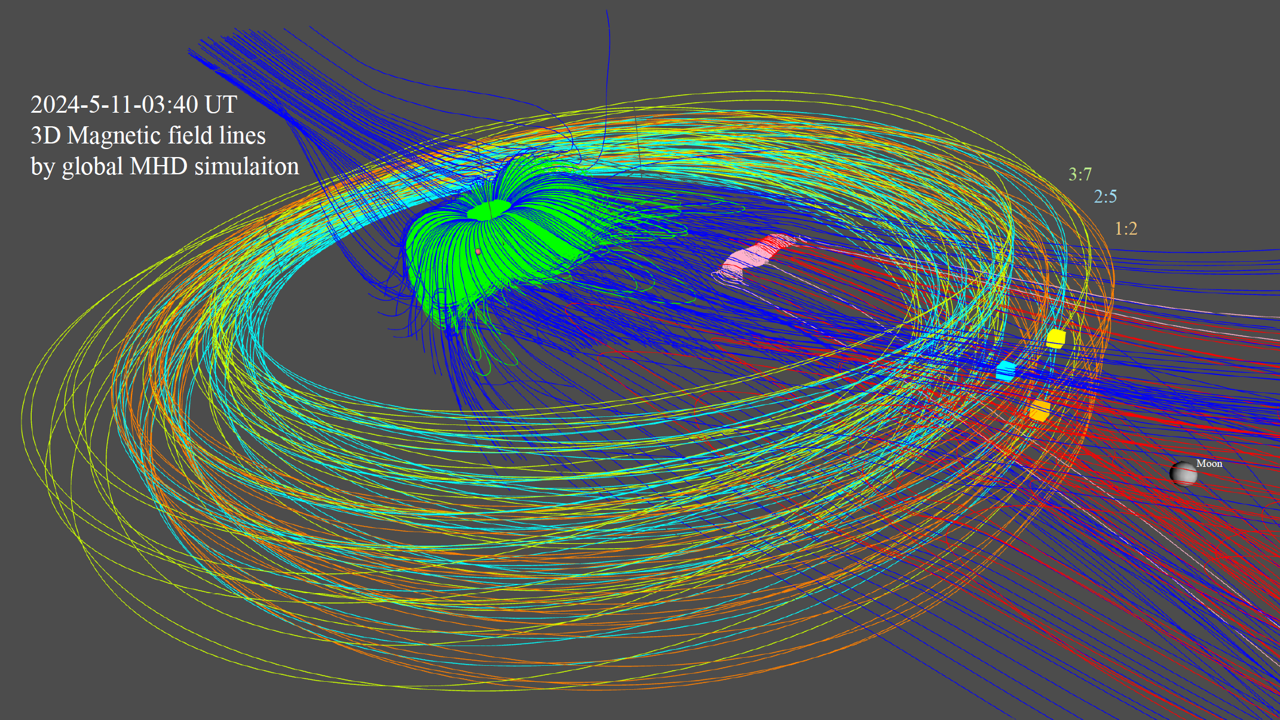
Resonant Orbit Sequencing for Magnetosphere-Aligned Long-Duration Magnetosphere Science Mission

Jinsung Lee, Kyung Sun Park, Kyoung-Joo Hwang, Seon-ho Lee, Young-Joo Song

Proposes a propulsion-assisted resonant-orbit sequencing strategy for the KHIWI mission concept, using low-perigee Earth-Moon resonance arcs to preserve useful magnetosphere viewing geometry over long-duration science operations.

Manuscript in Preparation

Trajectory Optimization for a 2005 YU3 Flyby-Zoozve Impact-Earth Sample Return Mission

Jinsung Lee

Presents a preliminary asteroid impact and Earth-return architecture: departing Earth, performing a 2005 YU3 flyby or retargeting maneuver, impacting 524522 Zoozve, and returning ejecta material to Earth for sample-return analysis.

Under Review

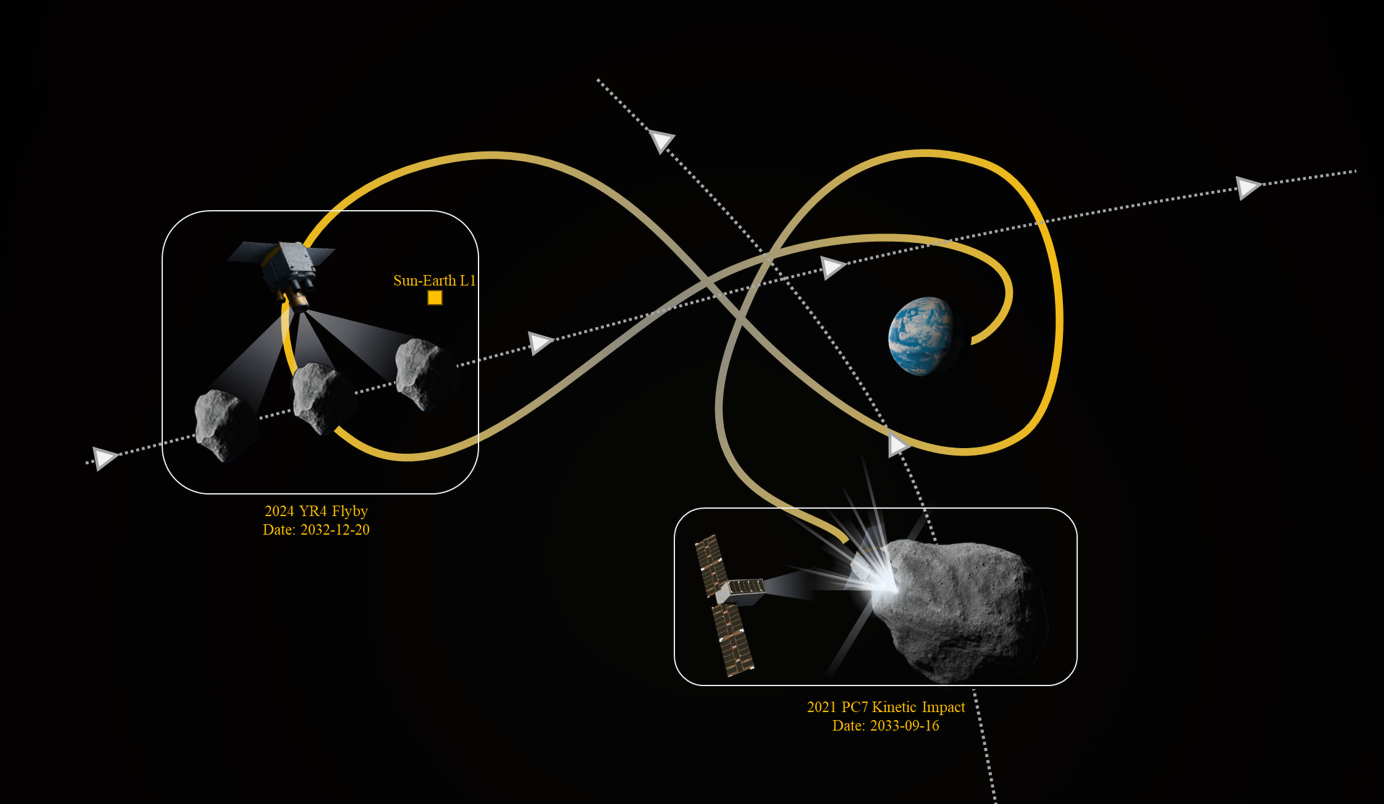
Trajectory Design of Dual Near-Earth-Asteroid Reconnaissance and Impact Mission

Junchan Lee, Jinsung Lee, Hyeon-Kyu Jeon, Yongjae Chu, Eunjin Jang, Kyoung-Wook Min, Sunho Jin, Hangbin Jo, Masateru Ishiguro, Daniel J. Scheeres, Jaemyung Ahn, Jae-Hung Han

A dual-target planetary-defense architecture combining reconnaissance of 2024 YR4 with a kinetic impact mission to 2021 PC7.

Under Review

Development of Korean 3D-Cell Engineering Software and Its Applications to Collision Risk Analysis

Jaewoo Kim, Jinsung Lee, Jiwoong Yu, Hosik Kam, Junghyun Jo, Eun Jung Choi, Jin Choi, Jaemyung Ahn

Baseline model and numerical studies for 3D cell-based analysis of low Earth orbit collision environments.

Under Review

Multicommodity Lunar Campaign with Resonance Orbits and Hybrid Propulsion

Euihyeon Choi, Jinsung Lee, Jaemyung Ahn

Optimization framework for lunar logistics campaigns using resonance orbits, hybrid propulsion, and commodity-level mission planning.

Advances in Space Research

Low-Thrust Minimum-Fuel Trajectory Optimization for the Sun-Earth Inclined L4 Mission

Jinsung Lee, Daniel J. Scheeres, Jaemyung Ahn

doi.org/10.1016/j.asr.2025.08.017

Advances in Space Research

Long-Term Earth Magnetosphere Science Orbit by Earth-Moon Resonance Orbit

Jinsung Lee, Kyung Sun Park, Kyung-Joo Hwang, Seunguk Lee, Dae-Young Lee, Jaeyoung Kwak, Jaemyung Ahn

doi.org/10.1016/j.asr.2025.06.070

Space Weather

Visibility Analysis of the Sun as Viewed From Multiple Spacecraft at the Sun-Earth Lagrange Points

Jinsung Lee, Sung-Hong Park, Arik Posner, Kyung-Suk Cho, Jaemyung Ahn

doi.org/10.1029/2024SW004182

Journal of Spacecraft and Rockets

Low-Thrust Resonance Gravity-Assist Trajectory Design for Lunar Missions

Jinsung Lee, Jaemyung Ahn

doi.org/10.2514/1.A35825

Classes

2026 Spring

(SPACE 312) Space-Flight-Dynamics

Undergraduate course in orbital mechanics and spacecraft flight dynamics.

Kyung Hee University

Department of Astronomy and Space Science / School of Space Research

1732 Deogyeong-daero, Giheung-gu Yongin-si, Gyeonggi-do 17104, Republic of Korea jinsung.lee@khu.ac.kr +82 31-201-3823 College of Applied Science, Office 528